Tree Trimming Mistakes to Avoid
Tree trimming keeps trees safer, cleaner, and healthier when done properly. Bad cuts can weaken a tree, remove too much growth, and create hazards near your home. Many homeowners trim branches to improve curb appeal, clear walkways, or clean up after a storm. Still, careless trimming can lead to decay, broken limbs, poor growth, or future tree removal. This guide explains the most common mistakes to avoid.
1. Tree Trimming Too Much Growth
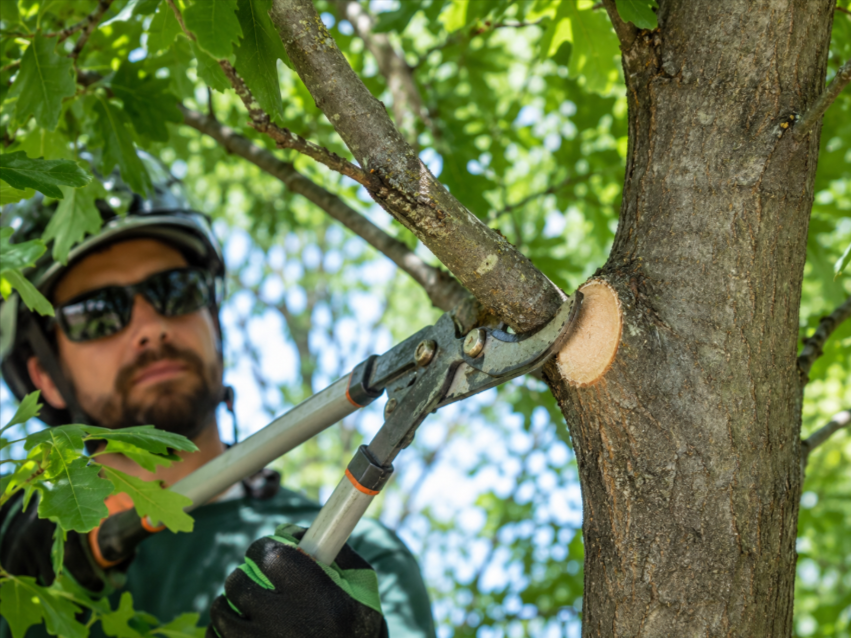
1. Tree Trimming Too Much Growth
One major mistake is removing too much at once. Trees need leaves to make food and stay strong. When too many limbs are removed, the tree may become stressed and weak.
Overcutting can also expose bark and limbs to sun damage. The tree may respond with thin, fast shoots that break easily. A safer choice is light trimming done over time. A trained tree service can decide how much growth can be removed.
2. Tree Trimming at the Wrong Time
Timing matters. Some trees are best trimmed in late winter or early spring. Others may need care after storms, heavy winds, or branch damage. Trimming at the wrong time can affect flowers, fruit, and new growth. It may also make a weak tree struggle more.
If you are unsure, ask a tree service before cutting. Good timing supports better healing.
3. Tree Trimming With Bad Tools
Dull tools can tear bark rather than make clean cuts. Dirty tools can spread disease from one tree to another. Sharp, clean tools are important for safe tree pruning. Small pruners may work for thin branches. Large limbs need stronger tools, ropes, and proper safety steps.
Never force the wrong tool to do the job. That can harm the tree and put you at risk.
4. Cutting Too Close to the Trunk
Cutting too close to the trunk can damage the branch collar. This is the raised area where the branch joins the trunk. It helps the tree seal the wound. If the collar is removed, the cut may not heal well. Decay can then move into the trunk or larger limb.
Good tree trimming leaves this area in place.
5. Leaving Long Branch Stubs
Long stubs are also a problem. A stub often dies back, attracting pests, fungi, and decay. The best cut is made just outside the branch collar. It is not too close and not too far away.
This small detail helps protect the tree for years to come.
6. Ignoring Dead or Hazardous Limbs
Dead, split, or hanging branches should not be ignored. They can fall during rain, wind, or storms. Watch for branches that are cracked, hollow, rubbing, or hanging over roofs, cars, fences, or patios. Also, watch for limbs near power lines.
If a tree looks unsafe, do not stand under it or cut it yourself. Call a tree service for safe help.
7. Using Topping Instead of Tree Pruning
Tree topping means cutting large parts from the top of a tree. Some people think it controls height. In most cases, it causes more harm. Topping removes too many leaves, leading to weak new growth. Those new shoots may break later.
Proper tree pruning keeps the natural shape while removing problem limbs.
8. Not Having a Tree Trimming Plan
Random cuts can leave a tree uneven, weak, or open to damage. Before trimming, know the goal.
Common goals include:
- Removing dead or broken limbs
- Clearing roofs and walkways
- Improving airflow
- Shaping young trees
- Reducing the weight on heavy branches
A clear plan protects the tree and improves the final look after each careful cut.
When Tree Removal May Be Needed
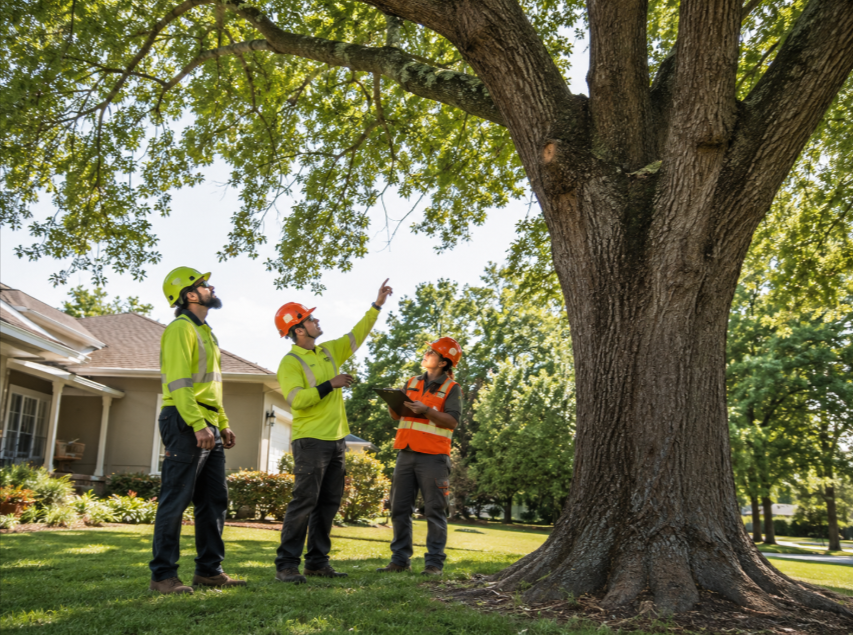
Sometimes, trimming is not enough. Tree removal may be needed when a tree is dead, hollow, leaning, badly split, or too close to a structure. A professional tree service can inspect the tree and explain safe options. In some cases, trimming can help save it. In others, removal is the safer choice.
After removal, tree planting can restore shade and beauty.
FAQ About Tree Trimming
How often should tree trimming be done?
Sometimes, trimming is not enough. Tree removal may be needed when a tree is dead, hollow, leaning, badly split, or too close to a structure. A professional tree service can inspect the tree and explain safe options. In some cases, trimming can help save it. In others, removal is the safer choice.
After removal, tree planting can restore shade and beauty.
Can tree trimming hurt a tree?
Sometimes, trimming is not enough. Tree removal may be needed when a tree is dead, hollow, leaning, badly split, or too close to a structure. A professional tree service can inspect the tree and explain safe options. In some cases, trimming can help save it. In others, removal is the safer choice.
After removal, tree planting can restore shade and beauty.
Is tree pruning the same as trimming?
They are similar. Tree pruning focuses on health and structure. Trimming can also improve shape and clearance.
When should I call a tree service?
Call when limbs are large, high, broken, near wires, or close to your home.
Safe Tree Trimming Starts With Care
Tree trimming can improve safety, support healthy growth, and keep your property looking clean. But the wrong cuts can create bigger problems later. Avoid topping, overcutting, long stubs, and unsafe work near power lines. Use proper tools, plan each cut, and know when to ask for help.